Supplement Science Blog | Everbright Labs
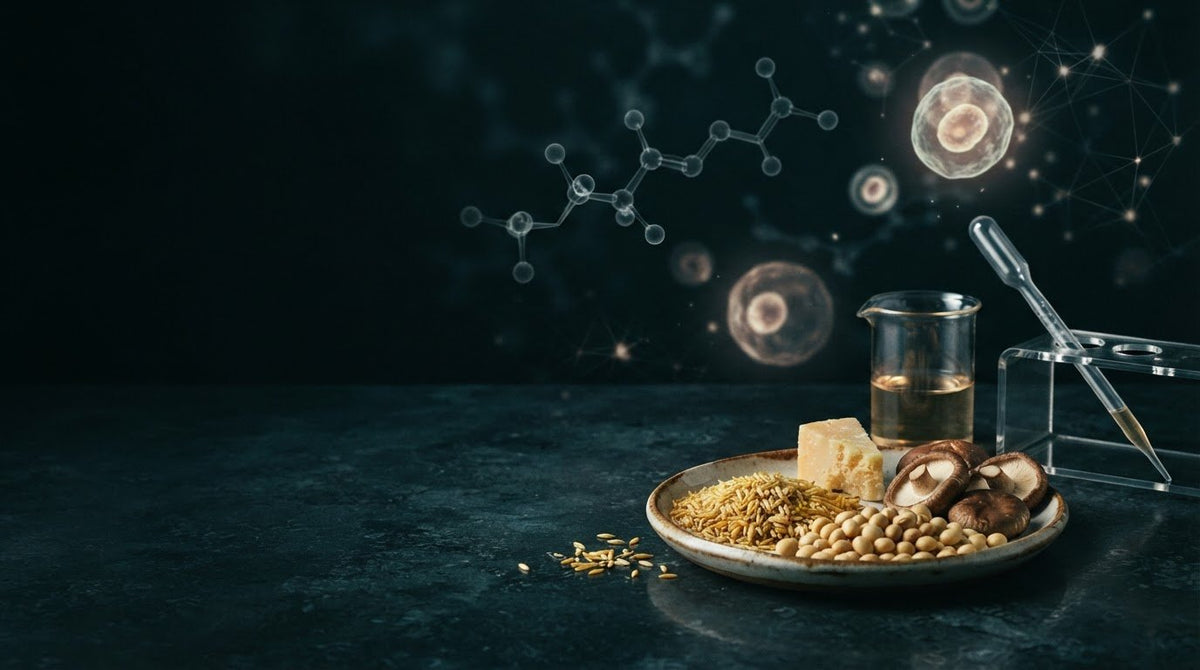
Spermidine research: Where it comes from and what studies show
Read moreabout Spermidine research: Where it comes from and what studies show
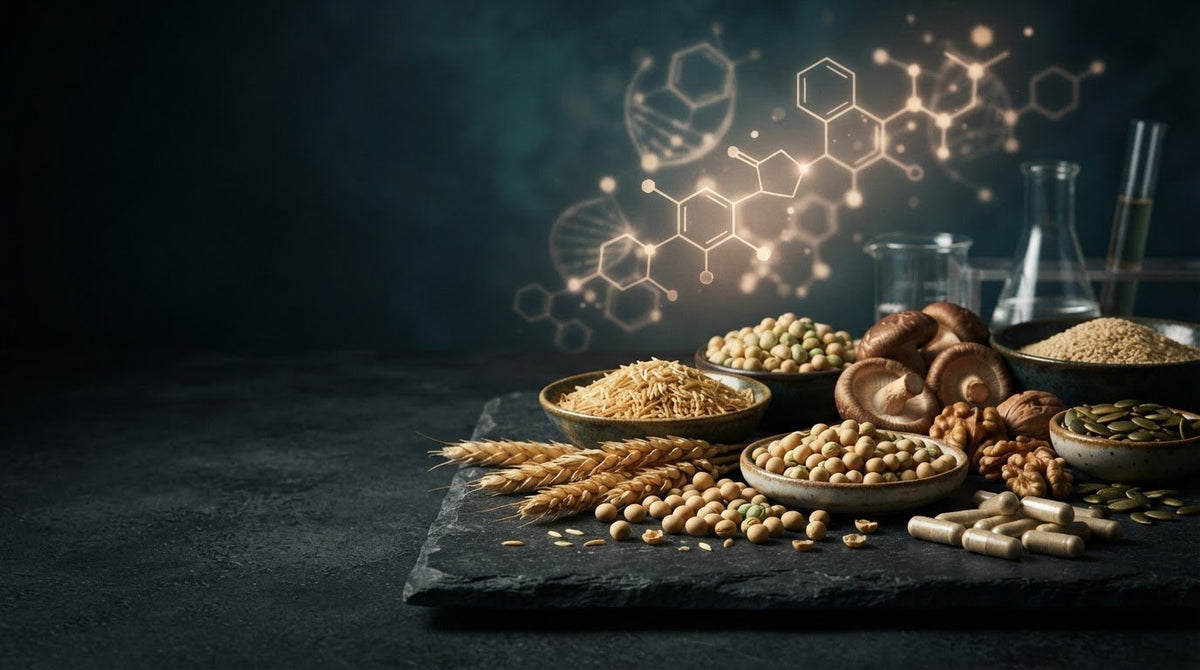
Spermidine in Foods and Supplements: Sources, Benefits, and Safety
Read moreabout Spermidine in Foods and Supplements: Sources, Benefits, and Safety
Wheat germ extract spermidine: sources, effects and safety
Read moreabout Wheat germ extract spermidine: sources, effects and safety
Spermidine supplement clinical studies on safety and evidence
Read moreabout Spermidine supplement clinical studies on safety and evidence
Spermidine and Ageing: Levels, Food Sources and Health Links
Read moreabout Spermidine and Ageing: Levels, Food Sources and Health Links

The Science Behind Cellular Rejuvenation: How to Support Biological Ageing in 2026
Read moreabout The Science Behind Cellular Rejuvenation: How to Support Biological Ageing in 2026
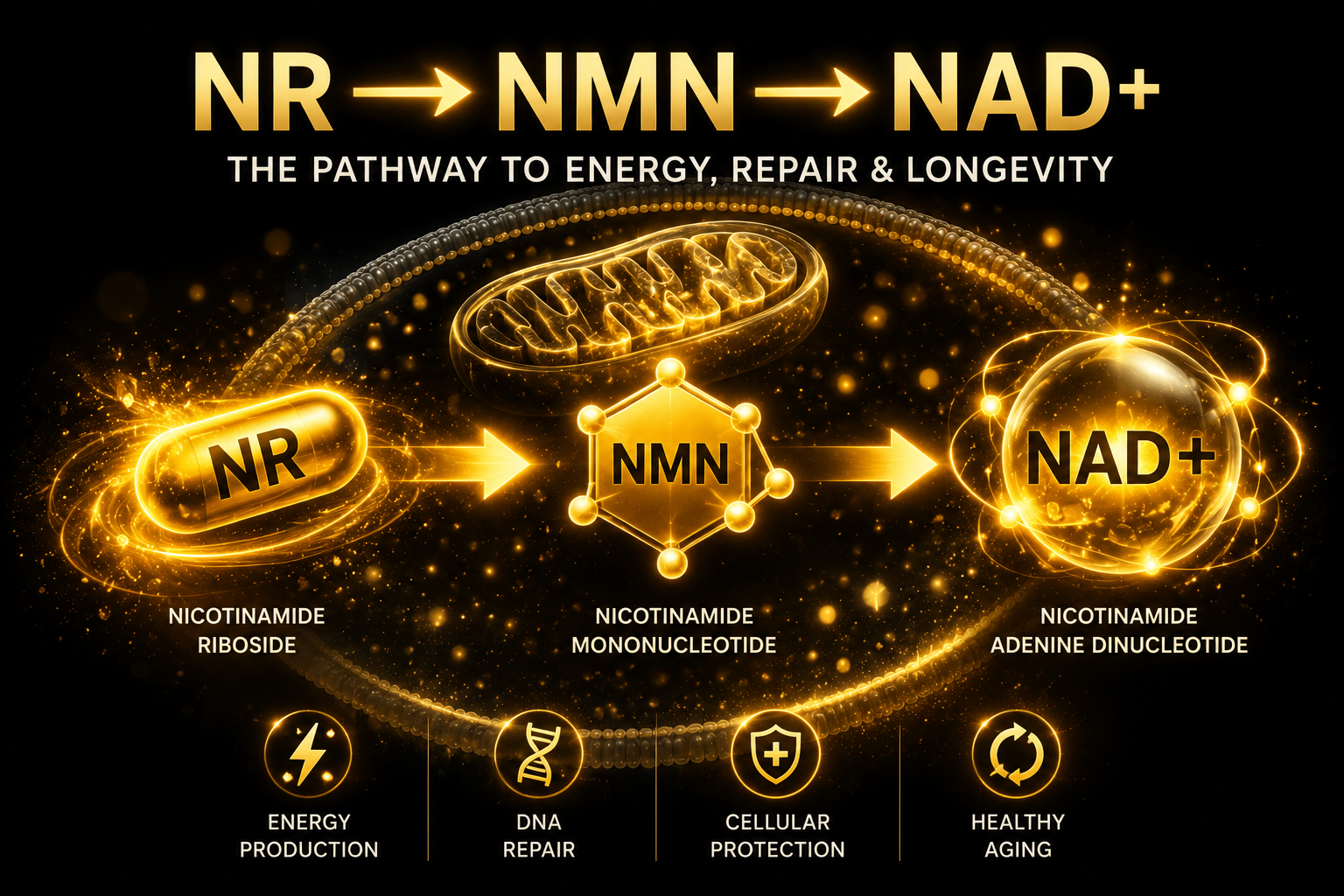
How to Choose the Best NAD+ Supplement: A UK Buyer's Guide
A buyer's guide to the best NAD+ supplement in the UK, built around what the published research actually shows, not marketing claims
Read moreabout How to Choose the Best NAD+ Supplement: A UK Buyer's Guide

What Is Spermidine? Autophagy, Longevity and Spermidine Supplements
Spermidine supplements are becoming one of the most talked-about tools in longevity research due to their ability to support autophagy; the body’s natural cellular recycling system. Autophagy helps remove damaged proteins and worn-out cellular components that accumulate as we age, allowing cells to function more efficiently. In this article, we explore how spermidine works, why autophagy is considered one of the most important longevity pathways in the body, and how a well-designed longevity supplement can support these critical cellular maintenance processes
Read moreabout What Is Spermidine? Autophagy, Longevity and Spermidine Supplements