
Supplement Science Blog | Everbright Labs
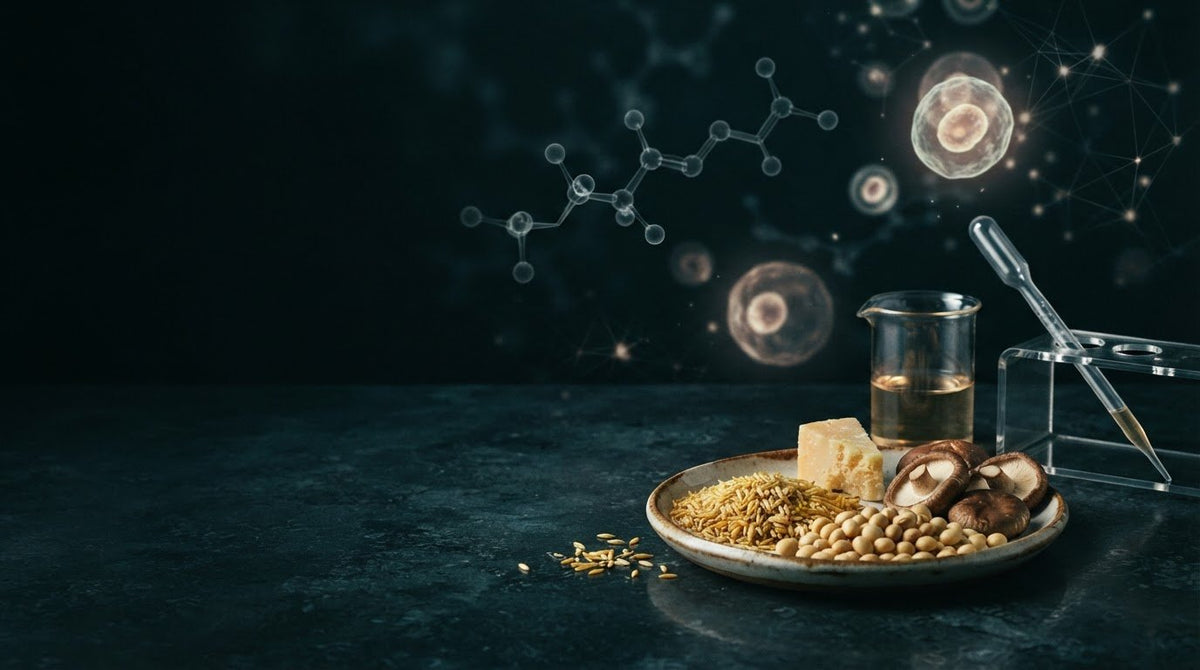
Spermidine research: Where it comes from and what studies show
Spermidine research: Where it comes from and what studies show

Your body’s spermidine supply doesn’t come from food alone: the body makes spermidine from putrescine, and gut bacteria can produce it too. Foods such as wheat germ, soya, aged cheese and mushrooms also provide it. Sperm…

Read moreabout Spermidine research: Where it comes from and what studies show

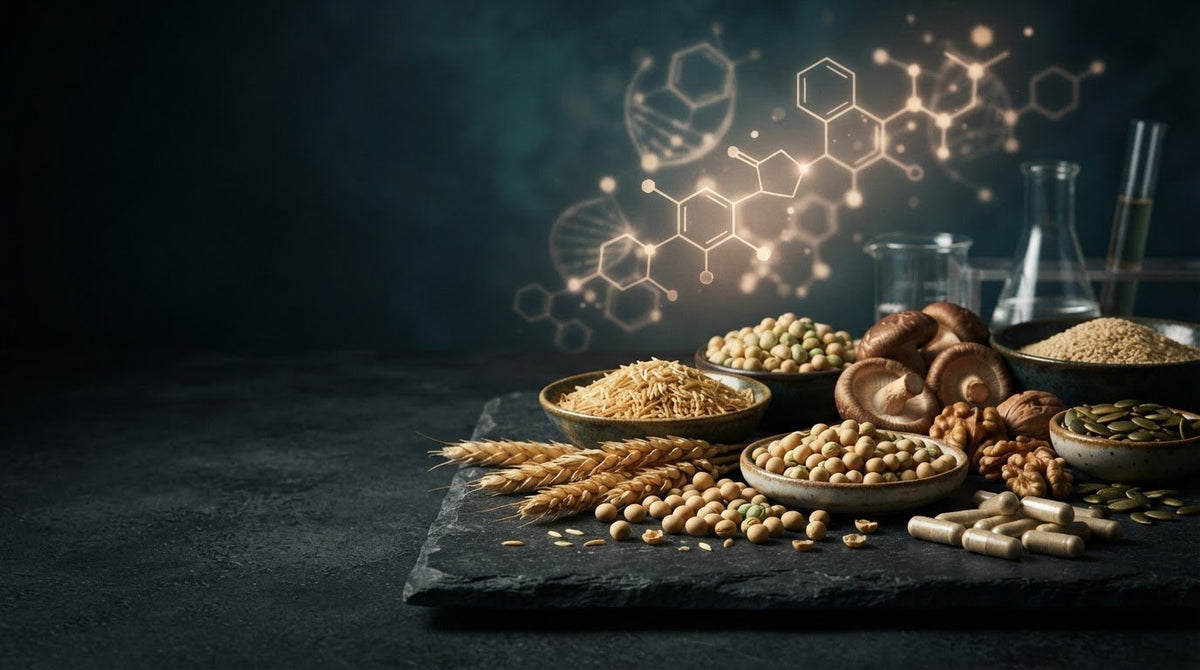
Spermidine in Foods and Supplements: Sources, Benefits, and Safety
Spermidine in Foods and Supplements: Sources, Benefits, and Safety

Spermidine is a naturally occurring polyamine found in food and produced by the body. Wheat germ is a particularly rich food source, containing 24 to 35 mg per 100 g, while soya beans contain 20.7 mg per 100 g. Understan…

Read moreabout Spermidine in Foods and Supplements: Sources, Benefits, and Safety

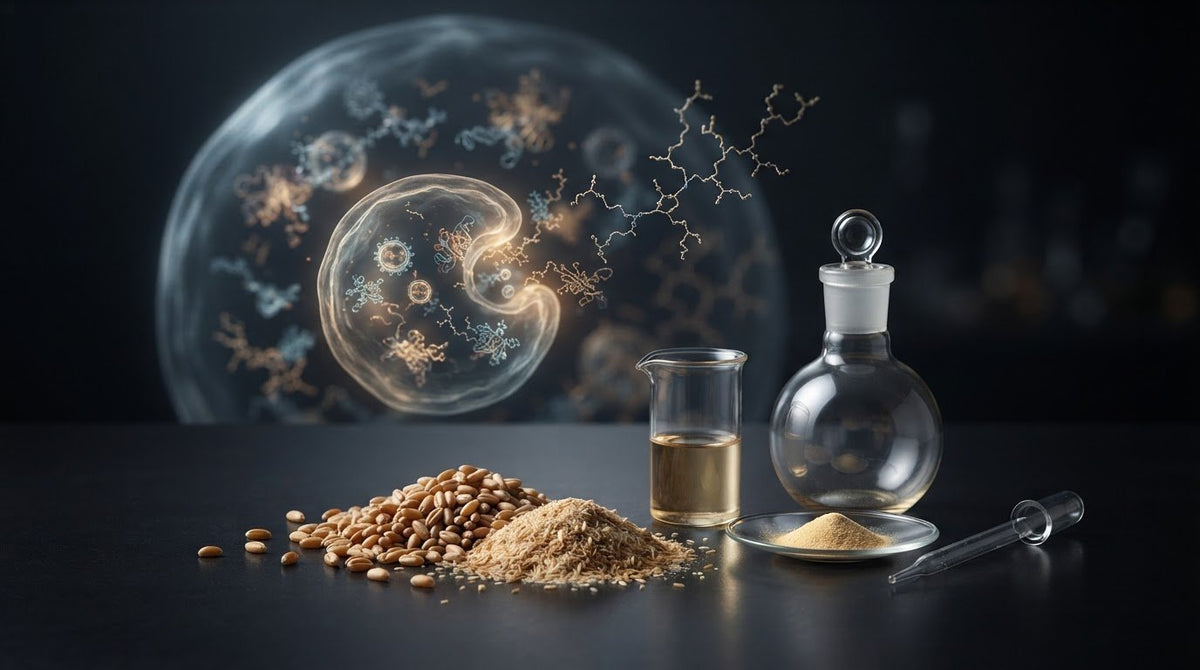
Wheat germ extract spermidine: sources, effects and safety
Wheat germ extract spermidine: sources, effects and safety

In preclinical research, spermidine supplementation extended lifespan by approximately 10% in mice; this is a finding in animals, not a human outcome. Spermidine is a naturally occurring polyamine, and wheat germ extract…

Read moreabout Wheat germ extract spermidine: sources, effects and safety

Spermidine supplement clinical studies on safety and evidence
Spermidine supplement clinical studies on safety and evidence

The early clinical safety findings are reassuring, though limited in duration. In a placebo-controlled trial, 37 healthy men aged 50-70 received 40 mg/day of high-purity spermidine trihydrochloride for up to 28 days, wit…

Read moreabout Spermidine supplement clinical studies on safety and evidence

Spermidine and Ageing: Levels, Food Sources and Health Links

Spermidine and Ageing: Levels, Food Sources and Health Links

A molecule involved in cellular maintenance may offer useful clues about how we age. Spermidine is a naturally occurring polyamine that helps maintain healthy cells, and the connection between spermidine and healthy agei…

Read moreabout Spermidine and Ageing: Levels, Food Sources and Health Links

NAD+ for Anti-Ageing: Potential Benefits and What Evidence Shows
NAD+ for Anti-Ageing: Potential Benefits and What Evidence Shows

A higher NAD+ level is not the same as proven slower ageing. The benefits of NAD+ for anti-ageing remain uncertain: NAD+ levels tend to decline with age, and supplements may support the body’s production of it, but resea…

Read moreabout NAD+ for Anti-Ageing: Potential Benefits and What Evidence Shows

Science-Backed Longevity Stack: How to Build a Focused, Evidence-Led Routine

Science-Backed Longevity Stack: How to Build a Focused, Evidence-Led Routine

A longer supplement list can look more scientific, but quantity doesn’t show whether a routine is supported by good evidence. If conflicting recommendations have left you unsure which ingredients matter, or whether study…

Read moreabout Science-Backed Longevity Stack: How to Build a Focused, Evidence-Led Routine

Cellular Energy Decline Over 30: What Changes and What Helps?

Cellular Energy Decline Over 30: What Changes and What Helps?

Thirty isn’t a biological cliff, and feeling more tired in your thirties doesn’t prove your cells are running out of energy. Research suggests that mitochondrial function can vary with age and activity levels. A June 202…

Read moreabout Cellular Energy Decline Over 30: What Changes and What Helps?

NAD+ for Healthy Ageing: What the Evidence Says in 2026

NAD+ for Healthy Ageing: What the Evidence Says in 2026

Could raising NAD+ in cells help us age well, or does that go further than the evidence? Interest in nad+ for healthy aging is growing, but the science draws an important distinction: oral precursors such as nicotinamide…

Read moreabout NAD+ for Healthy Ageing: What the Evidence Says in 2026